





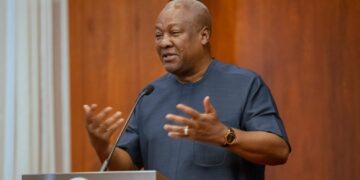


President John Dramani Mahama has called for urgent investment in Africa’s pharmaceutical and vaccine manufacturing sector, stating that the continent cannot claim true health sovereignty while producing less than one percent of the vaccines it consumes.

Speaking during the 79th World Health Assembly in Geneva, Switzerland, President Mahama stressed the need for African countries to strengthen local production capacity in order to reduce dependence on foreign imports and improve the continent’s response to health emergencies.
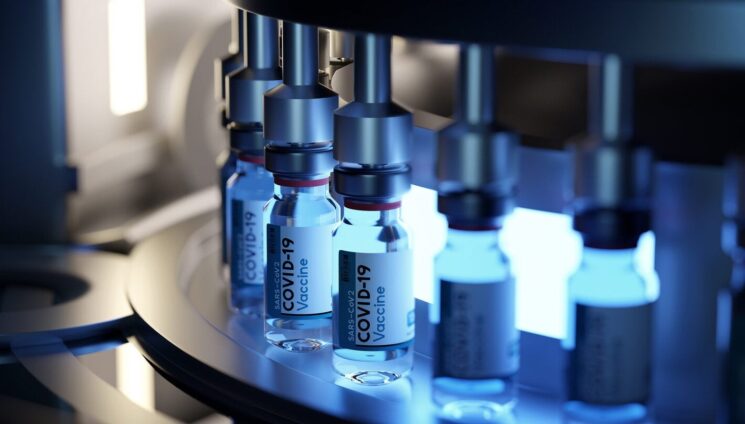
According to him, the COVID-19 pandemic exposed Africa’s vulnerability and overreliance on external suppliers for vaccines, medicines, and essential medical equipment.
“Africa cannot claim health sovereignty while producing less than 1% of the vaccines it uses,” President Mahama stated while addressing delegates and global health leaders at the assembly.
He explained that despite Africa’s growing population and rising healthcare demands, many countries on the continent still lack the infrastructure, financing, and technological support needed to manufacture vaccines and other critical medical products at scale.
President Mahama urged African governments, international organizations, and development partners to work together to build sustainable pharmaceutical industries across the continent. He noted that strengthening local manufacturing would not only improve healthcare delivery but also create jobs, boost economies, and enhance Africa’s preparedness for future pandemics.
The President further emphasized the importance of research, innovation, and partnerships in achieving healthcare independence. He called for fair access to technology transfers, financing opportunities, and global support to help African nations build resilient healthcare systems.
His remarks formed part of broader discussions at the World Health Assembly focused on global health security, universal health coverage, vaccine equity, and pandemic preparedness.
The World Health Assembly, organized by the World Health Organization, brings together health ministers, heads of state, and policymakers from across the world to discuss strategies for addressing global health challenges and improving healthcare outcomes.