







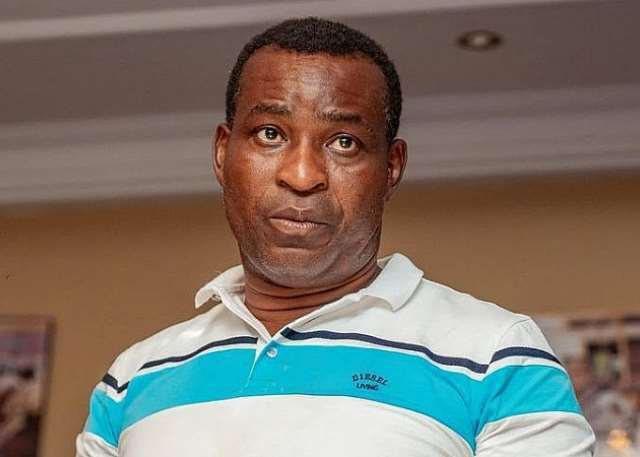
The sentencing of Bernard Antwi-Boasiako, popularly known as Chairman Wontumi, marks one of the most significant legal developments in Ghana’s ongoing fight against illegal mining (galamsey). As the Ashanti Regional Chairman of the New Patriotic Party (NPP) and a prominent businessman, his conviction has attracted widespread public attention and sparked intense political and legal debate.

On 20 July 2026, an Accra High Court sentenced Chairman Wontumi to 20 years’ imprisonment with hard labour after finding him guilty on charges related to illegal mining activities involving Akonta Mining Limited. The court also imposed substantial financial penalties on both him and the mining company.
According to the court, the prosecution proved beyond reasonable doubt that Wontumi unlawfully dealt with mineral rights without the required ministerial approval and purposefully facilitated unlawful mining activities at the Samreboi mining concession. The judge ruled that the evidence presented established that the offences had been committed in violation of Ghana’s Minerals and Mining Act.
A key aspect of the judgment was the court’s decision to hold Wontumi personally liable, despite the involvement of Akonta Mining Limited. The court found that he exercised effective control over the company’s mining operations and therefore could not avoid personal responsibility for the offences committed.
The case has generated mixed reactions across Ghana. Supporters of the judgment view it as evidence that the country’s anti-galamsey campaign should apply equally to all persons, regardless of political influence or social status. They argue that illegal mining has caused severe environmental destruction, including pollution of rivers and degradation of forest reserves, making strict enforcement of mining laws essential.
On the other hand, members of the NPP and some legal commentators have described the sentence as excessive and have indicated their intention to challenge the decision at the Court of Appeal. They maintain that Wontumi deserves the opportunity to exhaust all legal avenues available under Ghana’s justice system.
Beyond the political discussions, the judgment reinforces an important principle: Ghana’s courts are expected to determine criminal liability based on the evidence presented before them. As with any convicted person, Chairman Wontumi retains the legal right to appeal his conviction and sentence, and the appellate courts will ultimately determine whether the High Court’s decision should be upheld or overturned.
The outcome of this case is likely to influence future enforcement of Ghana’s mining laws and strengthen the national conversation on accountability, environmental protection, and the rule of law.