







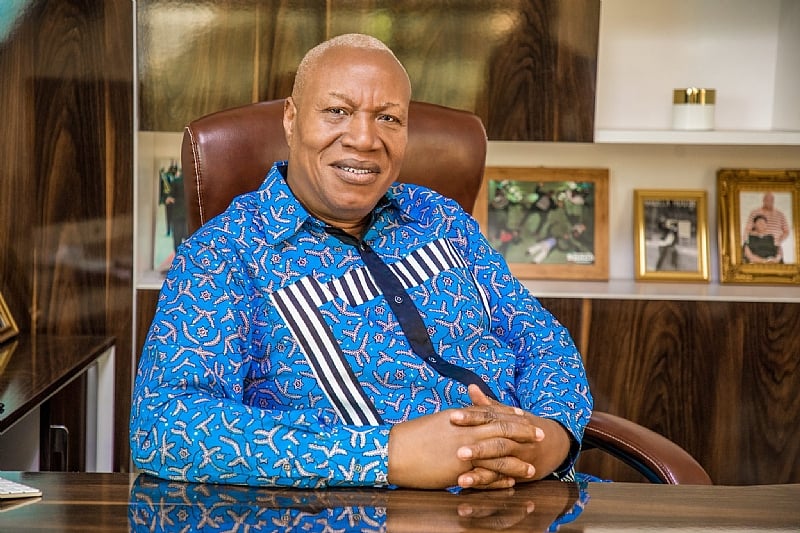
Ghana stands at a critical point in its development journey. Citizens are demanding stronger leadership, economic transformation, quality education, job creation, and accountable governance. In the search for leaders capable of addressing these challenges, the name of Joshua Alabi frequently emerges as a figure whose experience, competence, and leadership record make him a compelling option for the nation’s highest office.

Prof. Alabi’s journey from academia to public service demonstrates a blend of intellectual excellence and practical leadership. As a distinguished academic, former Vice-Chancellor of the University of Professional Studies, Accra, and former government minister, he has built a reputation as a disciplined administrator with a deep understanding of governance and national development.
Also Read: Prof. Joshua Alabi Emerges as Strong Contender for NDC Flagbearership
One of Prof. Alabi’s greatest strengths is his proven track record in institutional transformation. During his tenure at UPSA, the institution witnessed remarkable growth in infrastructure, academic standards, and national recognition. His ability to transform institutions suggests that he possesses the managerial skills needed to drive reforms across key sectors of the Ghanaian economy.
Education remains one of the most powerful tools for national development, and Prof. Alabi’s extensive experience in the educational sector gives him a unique advantage. He understands the importance of aligning education with industry needs, promoting innovation, and equipping young people with practical skills for the modern economy. Many supporters believe his leadership could help bridge the gap between education and employment.
Beyond education, Prof. Alabi’s experience in public administration provides him with valuable insights into how government institutions function. His service in national leadership positions has exposed him to the complexities of policymaking, public finance, and national development planning. This experience could be instrumental in implementing reforms aimed at improving efficiency, transparency, and service delivery.
Another factor that appeals to many Ghanaians is his reputation for moderation and professionalism. At a time when political polarization remains a concern, Prof. Alabi is often viewed as a unifying figure capable of building consensus across political, ethnic, and social divides. Ghana’s progress requires collaboration rather than division, and many believe his leadership style could foster greater national unity.
Economic transformation would undoubtedly be one of the major expectations of any Alabi presidency. Supporters argue that his strategic mindset and management experience could help attract investment, promote entrepreneurship, support small and medium-sized enterprises, and strengthen economic planning. They believe his emphasis on discipline, accountability, and results-oriented leadership could contribute significantly to national growth.
Furthermore, Ghana’s youth population continues to seek opportunities for employment, innovation, and economic empowerment. Prof. Alabi’s long-standing engagement with students and young professionals gives him firsthand knowledge of the aspirations and challenges facing the next generation. His policies could potentially prioritize youth development, skills training, and job creation.
While no leader possesses all the answers to Ghana’s challenges, leadership is ultimately about vision, competence, integrity, and the ability to inspire confidence. Prof. Joshua Alabi’s background in education, governance, and institutional management presents a strong case for those who believe he could provide the leadership needed to reposition Ghana for sustainable growth and national prosperity.
As the country continues to debate its future direction, the question remains: Can Prof. Joshua Alabi restructure Ghana? Many of his supporters believe the answer is yes, citing his experience, leadership record, and commitment to national development as reasons why he could be the right choice to lead Ghana into a new era of progress.