








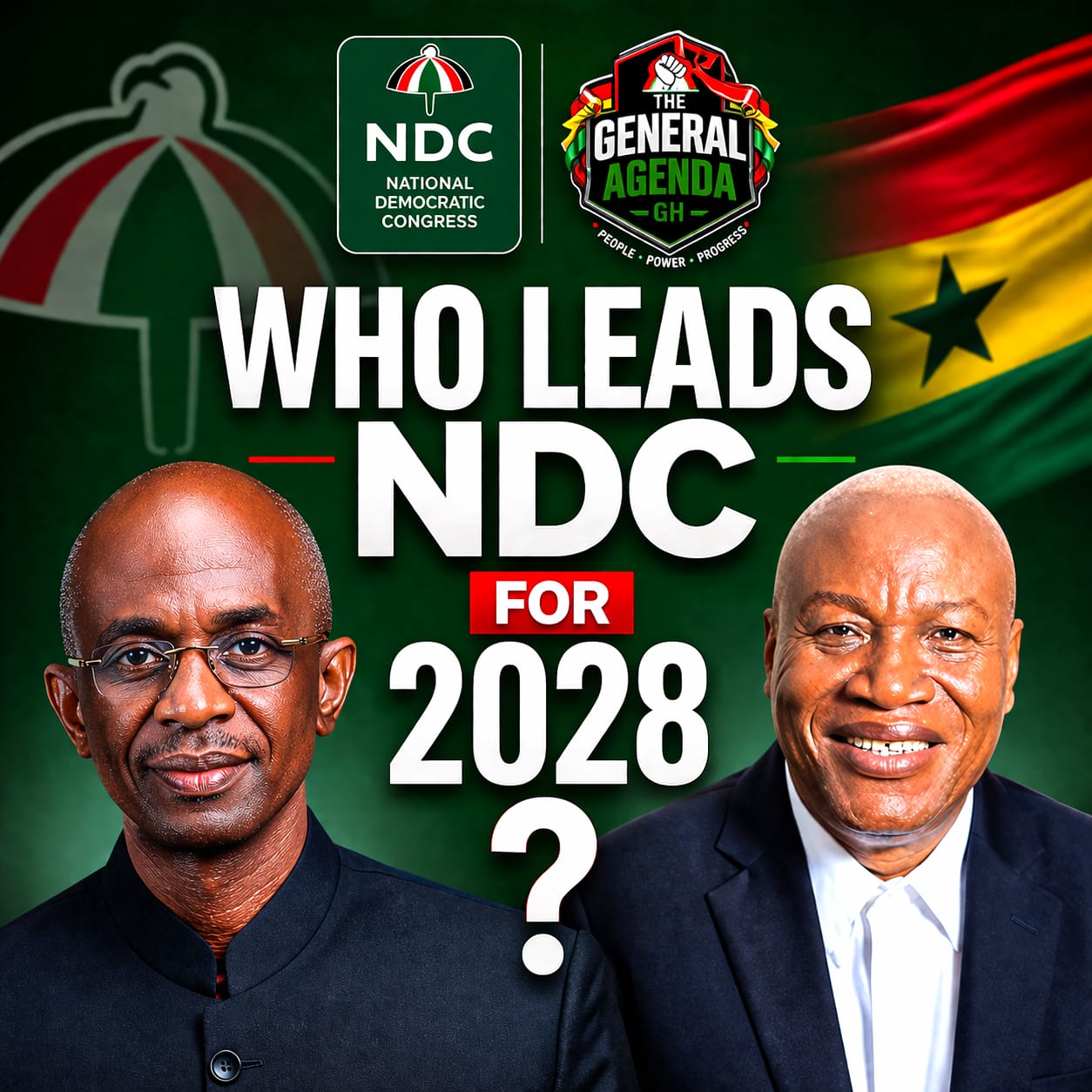
The call for the National Democratic Congress (NDC) to present a truly worthy opponent in Ghana’s next electoral cycle is not just political rhetoric, it is a democratic necessity. In a maturing democracy like Ghana’s, the strength of opposition parties plays a decisive role in shaping governance, accountability, and national progress. The NDC, as one of the country’s two dominant political forces, carries a historic responsibility to offer leadership that inspires confidence, competence, and credibility.

Ghana’s political landscape has evolved significantly over the years, with citizens becoming more discerning, informed, and demanding. The era where party loyalty alone could secure victory is gradually giving way to an expectation for visionary leadership, practical solutions, and integrity. For the NDC, this means that presenting a candidate based solely on popularity or internal party dynamics will not suffice. The party must instead prioritize merit, national appeal, and a clear understanding of the socio-economic challenges confronting the country.
A worthy opponent is one who can articulate a compelling alternative vision for Ghana, one that addresses unemployment, economic instability, healthcare access, education, and infrastructure development. Beyond policy proposals, such a candidate must embody leadership qualities that resonate with the Ghanaian people: humility, decisiveness, transparency, and the ability to unify diverse groups. The electorate is no longer interested in recycled promises; they seek authenticity and a demonstrated track record of service.
Moreover, the NDC must recognize that internal unity will be critical in presenting a formidable challenge. Factionalism, lingering grievances, and internal disputes have the potential to weaken the party’s front and erode public confidence. A transparent and credible selection process will not only strengthen internal cohesion but also signal to the broader electorate that the party is serious about governance and reform.
It is equally important for the NDC to invest in a robust campaign strategy that leverages both traditional grassroots engagement and modern digital platforms. The youth, who form a significant portion of the voting population, are increasingly shaping political narratives through social media and civic participation. A candidate who understands and connects with this demographic will have a strategic advantage in the contest for power.
Ultimately, Ghana’s democracy benefits when there is healthy competition between capable leaders. The responsibility lies with the NDC to rise to the occasion by presenting a candidate who is not only electable but also prepared to govern effectively. A strong opponent challenges the incumbent government to perform better, fosters accountability, and ensures that the interests of the Ghanaian people remain at the center of national discourse.
The NDC must go beyond tradition and sentiment. It must present a worthy opponent one who represents hope, competence, and a genuine commitment to Ghana’s future.